COLLECTIE BERBERWEEFKUNST PAUL VANDENBROECK
(Nederlands : scroll naar beneden aub). paulvandenbroeck540@gmail.com |
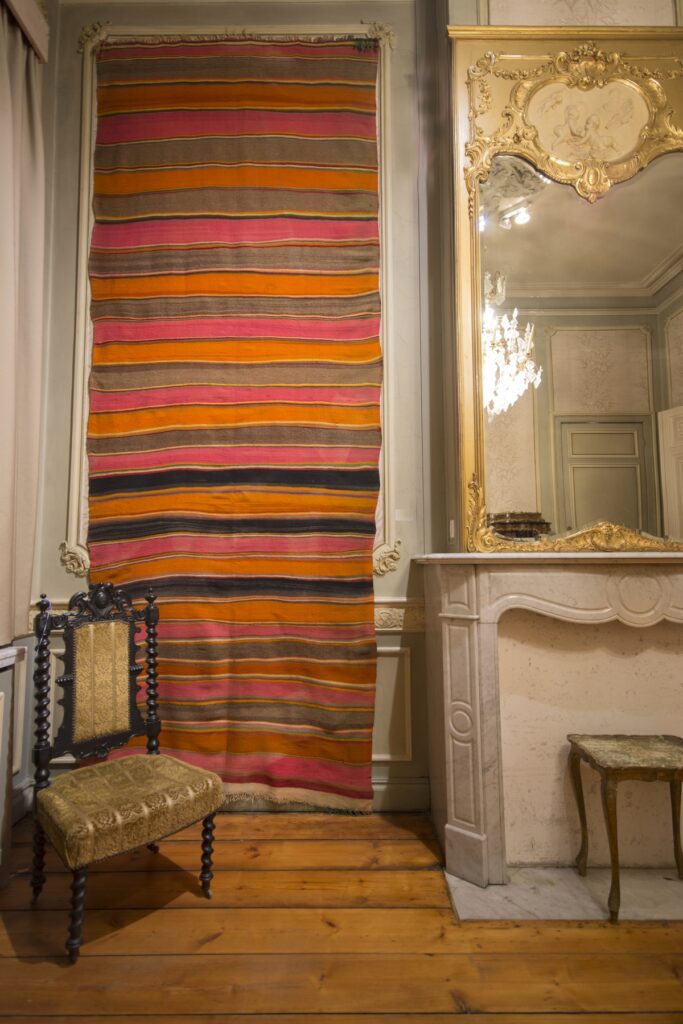
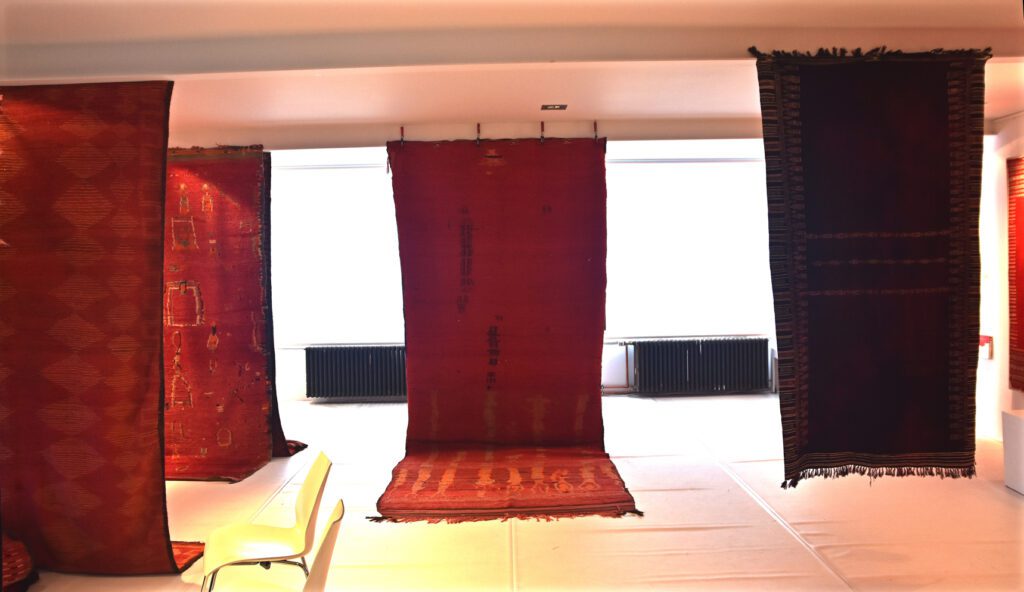
Whoever is looking for a heartwarming ánd unique art work, is invited to take a look at Salon Radical in Courtrai. Since three decades, Paul Vandenbroeck has collected old Tunisian and Moroccan textiles and rugs. All these art works are unique in the litteral sense : there is no second copy. This collection consists of two main genres : flatwoven Tunisian garments, and knotted rugs from the plains of Marrakech. A number of these creations are available : their revenue is needed to further finance the scholarly research about this textile art. If interested, one may contact Paul Vandenbroeck : paulvandenbroeck540@gmail.com
Paul Vandenbroeck, specialist in the art of the Flemish Primitives, iconology and questions on the border between art history and anthropology, has discovered this magnificent feminine art form, almost by accident, some 30 years ago. From 1991 to 2001, he made numerous research trips to Tunisia and Southern Morocco. This resulted in the grand exhibition BORDERLINE, held in 2000 at the Brussels Palais des Beaux-Arts, exhibition designed by the genius architect ZAHA HADID (1950-2016). Recently, he started to investigate this tradition again, focusing on a few villages in Southern Tunisia.
TUNISIAN FLATWEAVES
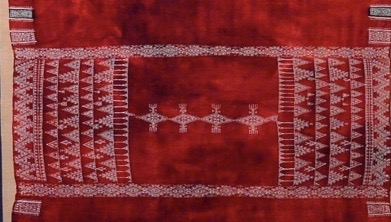
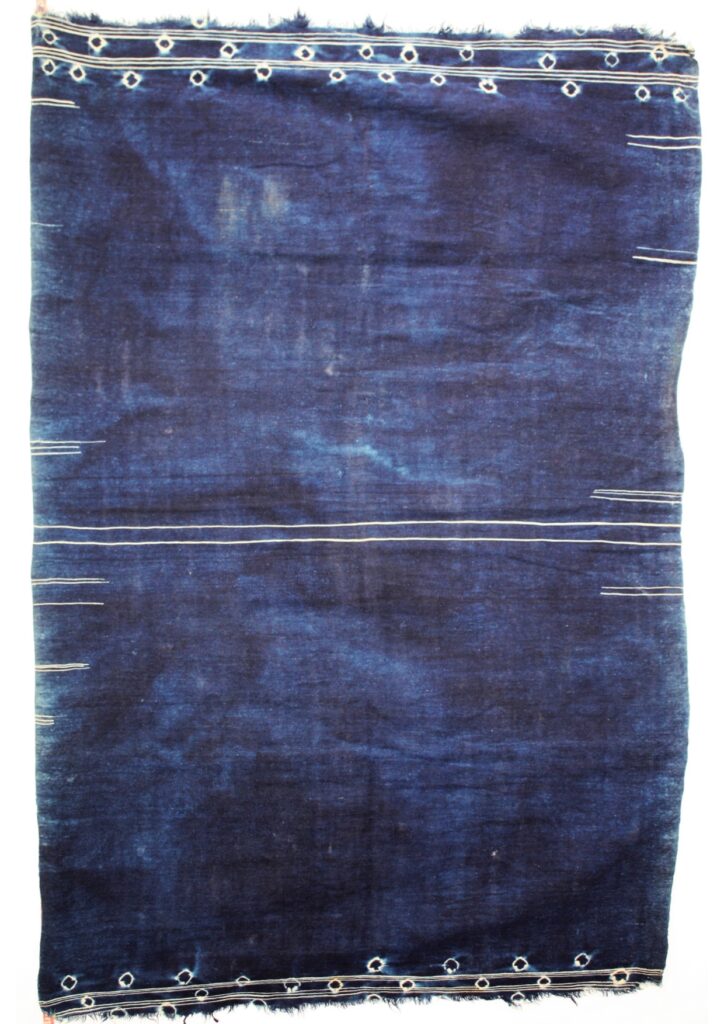
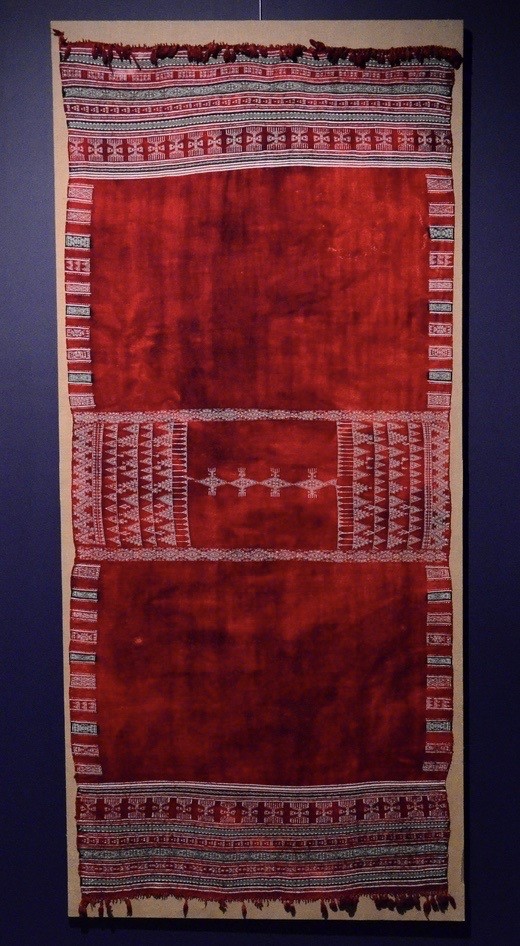
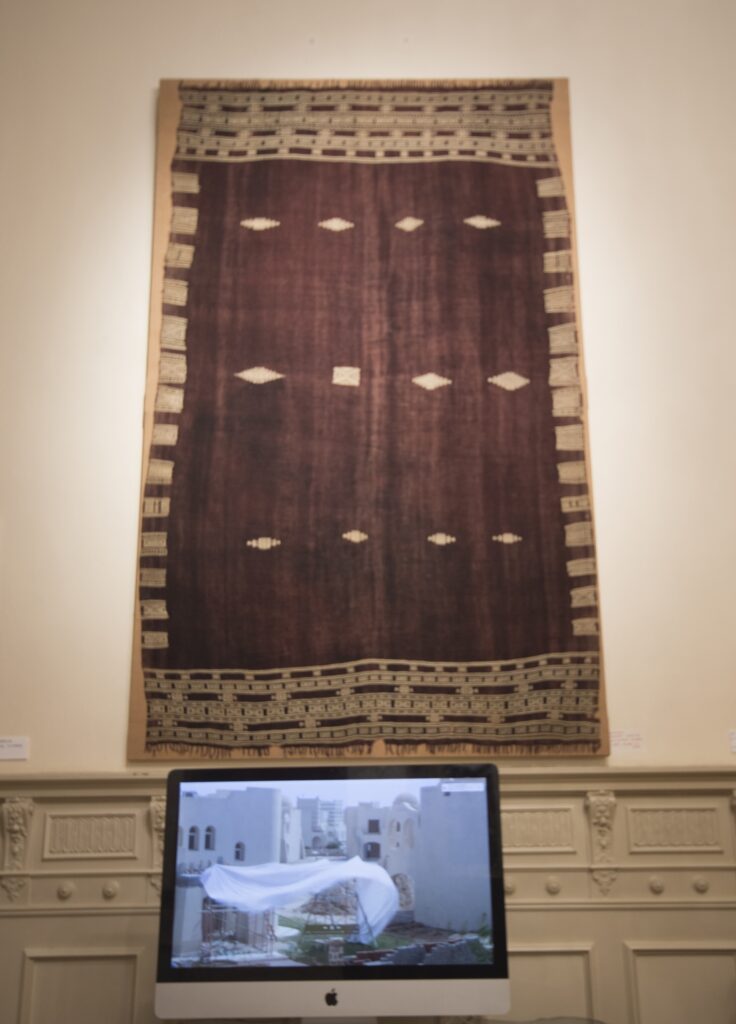
The Tunisian flatweaves are rectangular garments, called bakhnoug. A weaver only made one in her lifetime. The abstract motifs, executed in supplementary weft technique, express the weaver’s opinions, fears, desires, convictions. Wearing a bakhnoug was like communicating one’s view on life and human existence. Other women of her community could ‘read’ this ‘autobiography’. Their colour range is consciously limited: white, red or black (the latter including also dark blue, dark brown, and aubergine colour).
MOROCCAN CARPETS
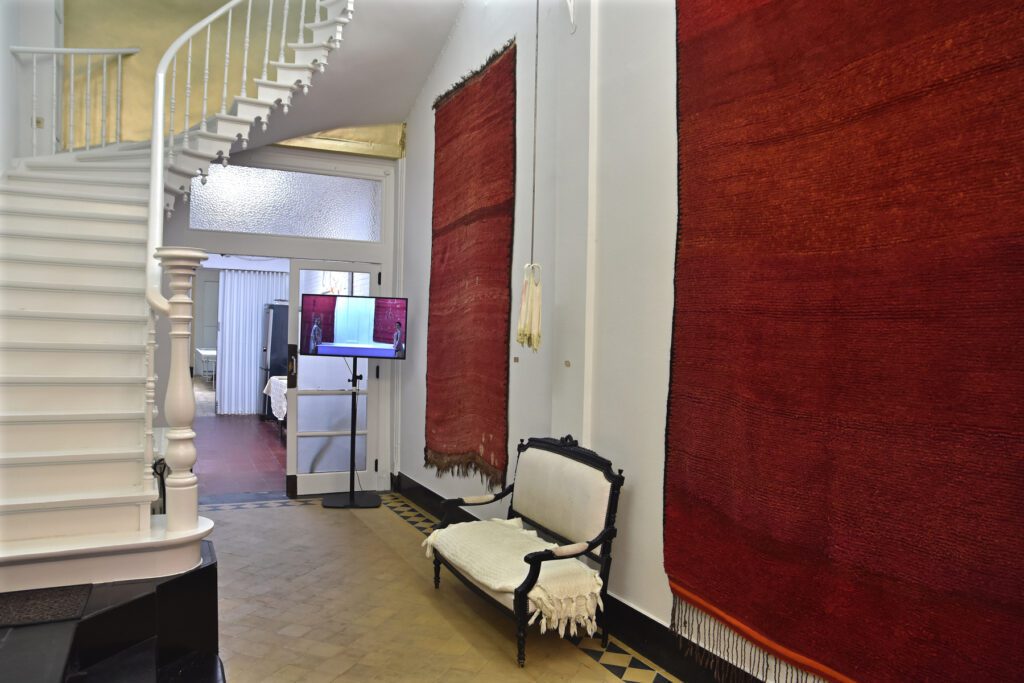
From Southern Morocco are a number of knotted rugs, equally unique pieces. During the past, they were made for domestic use; contemporary monetarization of rural society often urged a family to sell its artistic ‘patrimony’. The rugs from the so-called ‘plains of Marrakech’ (the realm of the Rehamna, Ahmar, Ouled bou Seba’a and other tribes) are highly idiosyncratic. The weaver felt free to decide what the colours, the composition would be; she never followed a pre-existing model, and even would alter her design during the weaving process. As such, rug weaving was quite similar to the ‘modern’ artistic process. Again, each rug is a unique piece. A weaver’s focus was not on technical perfection or on achieving the finest knotting, but on the aesthetic power of the art work.
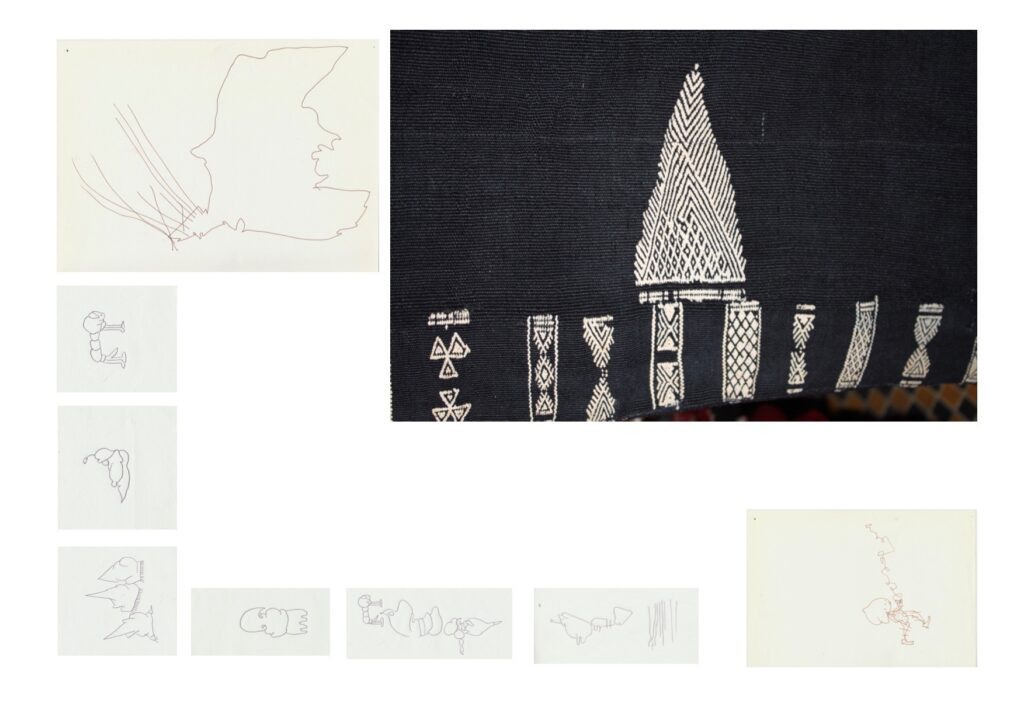
Vandenbroeck’s research discovered great significance in the weaving’s motifs, as expressions of a lived abstraction, as can of course also be found in contemporary art. Thus, an interesting connection can be detected between Western and Eastern traditions, in the use of patterns, the way to compose, the feminine creative force and the connection to the body.
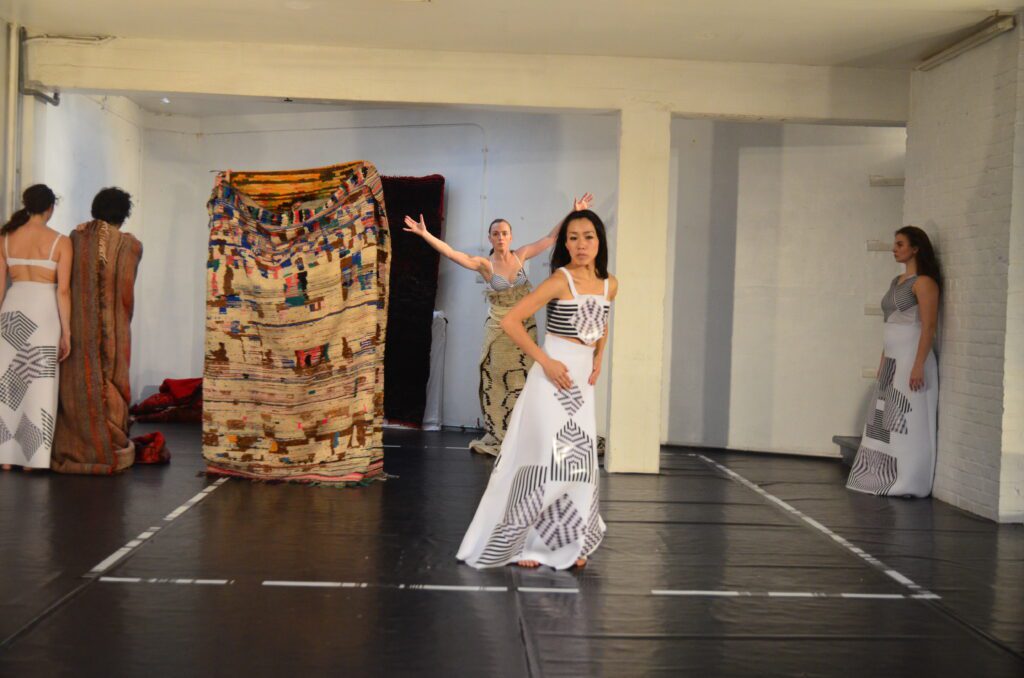
Together with dancer – choreographer Pé Vermeersch, under the label ‘Radical HeArts’, a connection with these textile art works has been developed through several performed exhibitions, dances, and videos.
OP AFSPRAAK
Contact : paulvandenbroeck540@gmail.com
0474 417740 of 0474 980880
Wie op zoek is naar een hartverwarmend én uniek kunstwerk, kan bij Salon Radical in Kortrijk terecht. Sinds drie decennia heeft Paul Vandenbroeck oude Tunesische en Marokkaanse weefsels en tapijten verzameld. De collectie bestaat uit Tunesische vlakweefsels en geknoopte tapijten uit de vlakten rond Marrakech. Al deze stukken zijn letterlijk unica, d.w.z. er bestaat slechts één exemplaar van. Een aantal werken uit deze collectie zijn te koop, om het wetenschappelijk onderzoek rond deze weefkunst verder te financieren. Daartoe kan men rechtstreeks Paul Vandenbroeck contacteren : paulvandenbroeck540@gmail.com
Paul Vandenbroeck, specialist in de kunst van de Vlaamse Primitieven, iconologie en vraagstukken op de grens tussen kunstgeschiedenis en anthropologie, ontdekte drie decennia geleden welhaast bij toeval deze schitterende kunstvorm van en door vrouwen. Tussen 1991 en 2001 ondernam hij vele onderzoeksreizen in Tunesië en Zuid-Marokko. Dit resulteerde in de grensverleggende tentoonstelling BORDERLINE, onder impuls van Piet Coessens georganiseerd in het Brusselse Paleis voor Schone Kunsten (2000), met als designer niemand minder dan de geniale architecte ZAHA HADID (1950-2016). Recent heeft Vandenbroeck dit onderzoek heropgenomen, met als focus enkele dorpen in Zuid-Tunesië.
TUNESISCHE WEEFKUNST
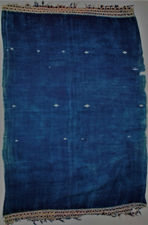
De Tunesische weefsels kunnen niet als vloertapijt gebruikt worden, maar komen perfect tot hun recht aan een wand. Er zijn eveneens geknoopte tapijten uit Marokko, meer specifiek, uit de vlakte (haouz) rond Marrakech. De vrouwelijke weefsters zijn kunstenaressen die veel belang geven aan vrije inspiratie.Wij koesteren deze traditie omwille van een aantal specifieke eigenschappen die we van belang vinden in onze hedendaagse maatschappij. De textiele kunstwerken werden gemaakt door plattelandsvrouwen, die in de anonimiteit zijn gebleven en vertrokken vanuit het artisanale. Zij profileerden zich niet als professionele ‘kunstenaars’, maar waren het niettemin. Deze textiele kunstwerken hanteren bewust een zeer beperkt kleurenspectrum : wit, rood of zwart (zwart houdt ook in : donkerblauw, donkerbruin, aubergine-kleur).
MAROKKAANSE TAPIJTEN
Er zijn ook geknoopte tapijten uit Marokko, meer specifiek, uit de vlakte (haouz) rond Marrakech. Hier, bij stammen Rehamna, Ahmar, Ouled bou Seba’a en andere, bestond –eveneens ook lang geleden— een uitzonderlijk geïnspireerde weefkunst. Deze tapijten waren niet voor de verkoop bestemd, maar voor eigen huiselijk gebruik. De monetarisering van de plattelands-economie had als gevolg, dat ook deze stukken verkocht werden. Ook deze, zonder uitzondering, zijn uniek: ze zijn niet geweven volgens een vooraf bestaand model, maar volgens de inspiratie van de weefster zelf. Aldus volgen ze hetzelfde principe als een hedendaagse artistieke schepping. Opmerkelijk is, dat ze ‘creatieve vrijheid’ hoog in het vaandel hielden: abstracte motieven, onverwachte composities, en vrij kleurgebruik
Voor zij die interesse hebben om een uniek weefsel uit de Magrheb aan te kopen kan de collectie van Paul Vandenbroeck op afspraak gezien en geduid worden via info@salonradical.be